
NSCHC Promotes Lifesaving Screenings During Colorectal Cancer Awareness Month
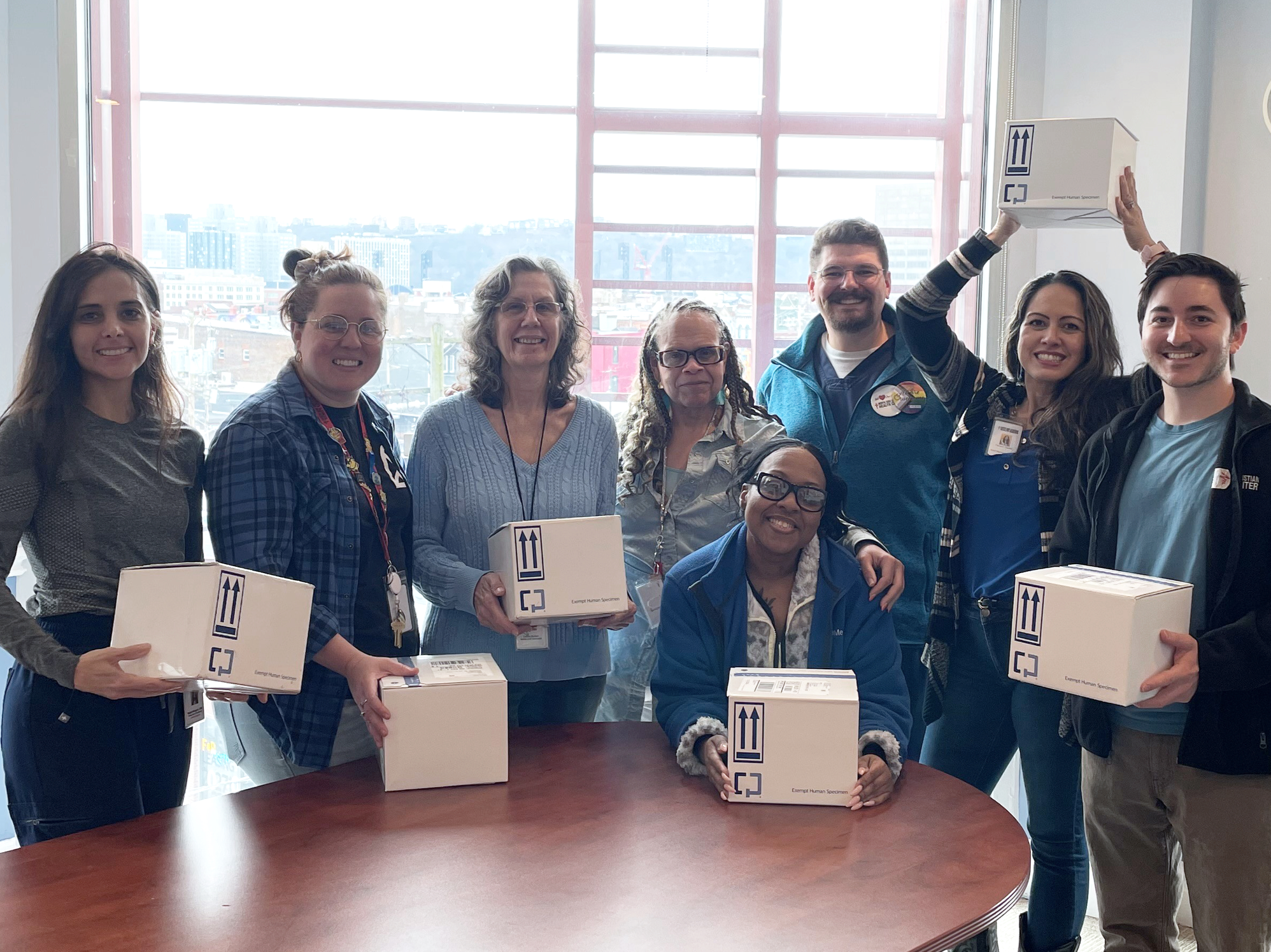
The NSCHC Colorectal Cancer Screen Team!
March is National Colorectal Cancer Awareness Month, a nationwide effort to increase screening rates, promote prevention, and support patients affected by colorectal cancer. The observance highlights an important reality: colorectal cancer is the second leading cause of cancer-related deaths in the United States, yet it is also one of the most preventable and treatable cancers when detected early.
The awareness month was first established in February 2000 to encourage people across the country to get screened and talk openly about colorectal cancer prevention. Since then, patients, survivors, caregivers, and healthcare providers have come together each March to raise awareness and encourage early detection.
At NSCHC, the message is simple: getting checked can’t wait. As part of its mission to provide accessible, compassionate healthcare for all, NSCHC has made colorectal cancer screening a priority in its primary care services.
Making Screening Part of Everyday Care
Since 2024, NSCHC has strengthened its approach to colorectal cancer prevention by integrating screening reminders into the daily workflow of its care teams. During morning “huddles,” clinical staff review patient appointments for the day and identify individuals who may be due for screening. Providers then discuss screening options directly with patients during their visits, explaining the importance of early detection and helping them choose the option that best fits their needs. In addition, the care team conducts outreach to patients who are recommended for screening but have not yet completed one.
NSCHC focuses on adults between the ages of 45 and 75, consistent with guidelines from organizations such as the Centers for Medicare & Medicaid Services, the American Cancer Society, and the National Committee for Quality Assurance.
Patients can complete screening through either an at-home test, commonly known as Cologuard, or a colonoscopy performed by a specialist.
Partnerships Expanding Access
NSCHC is working with several healthcare partners to increase screening opportunities and improve outcomes. These collaborations include:
In December 2024, NSCHC received a grant from Exact Sciences to expand its colorectal cancer screening initiative. The 18-month improvement program has allowed NSCHC to increase outreach efforts and expand testing options for patients. As part of the grant, NSCHC also received 100 free Cologuard kits specifically designated for uninsured patients—helping ensure that cost does not prevent someone from accessing a potentially lifesaving screening.
Measurable Progress
Since launching improvement cycles focused on colorectal cancer screening in January 2024, NSCHC has seen meaningful progress.
At the beginning of the initiative, NSCHC screening gap closure rate was 30.9 percent.
As of February 2026, that rate has increased to 47.2 percent—an encouraging sign that more patients are receiving recommended screenings.
This measure is tracked by the NSCHC Quality Improvement Committee as part of the organization’s broader commitment to improving preventive care. The metric evaluates the percentage of patients aged 45–75 who have completed an approved screening—either a Cologuard test within the past three years or a colonoscopy within the past ten years.
Advancing Health Equity Through Prevention
For community health centers like NSCHC, improving colorectal cancer screening rates is about more than meeting a quality benchmark—it is about advancing health equity. Many patients face barriers such as lack of insurance, transportation challenges, or limited access to specialists. By offering education, outreach, and multiple screening options, NSCHC is helping remove those barriers and ensuring that more people receive preventive care before serious illness develops.
During National Colorectal Cancer Awareness Month, NSCHC encourages community members to speak with their healthcare provider about screening. Early detection can save lives, and for many patients, a simple test today can prevent a serious diagnosis tomorrow. Through continued outreach, partnerships, and patient-centered care, NSCHC remains committed to opening doors to prevention, early detection, and healthier futures for the communities it serves.
